
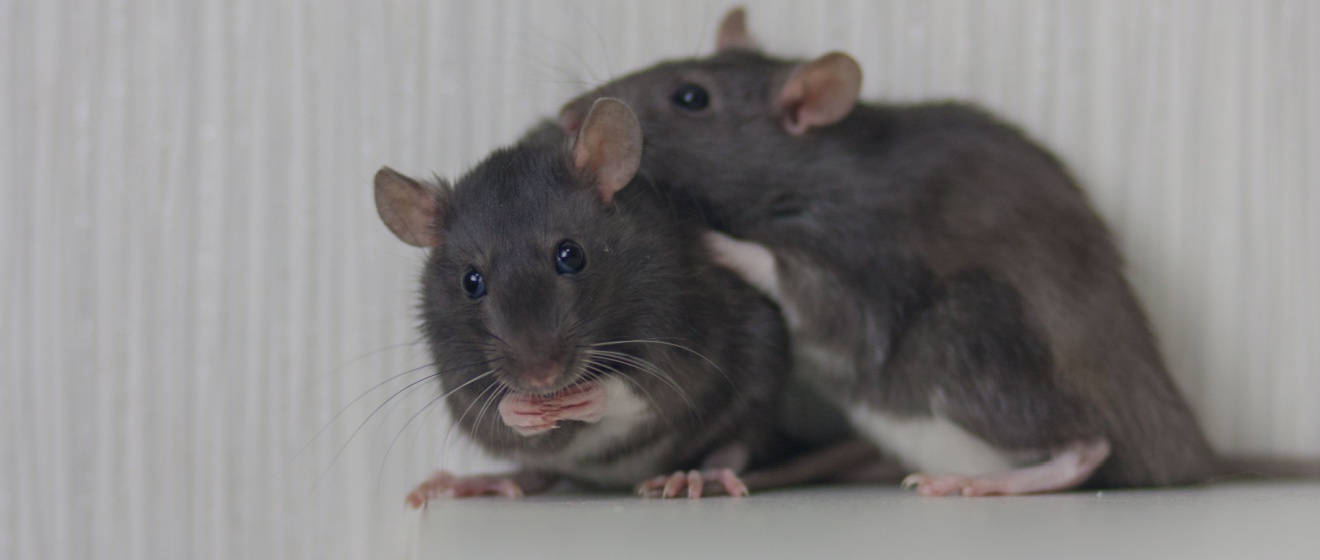
As winter settles over Show Low, the crisp air and frosty nights bring more than just seasonal charm. Beneath the quiet of the cold months, rats and mice are on the move—searching for warmth, food, and safety. What feels like a cozy retreat for families quickly becomes a magnet for rodents determined to survive the season.
Homes in Show Low offer everything these pests need: steady heat, hidden spaces, and reliable food sources. That’s why infestations spike during colder months. Here are the main reasons rats and mice seek shelter in Show Low homes during winter—and what makes your property such an attractive target.
The Search for Warmth
Rodents are highly sensitive to temperature changes. As the cold sets in, natural shelters like burrows and brush piles lose their insulating power. Homes in Show Low offer steady warmth through attics, basements, and wall voids, making them irresistible to rats and mice seeking refuge from freezing nights.
- Attics with insulation: Fiberglass or cellulose insulation traps heat, creating a cozy environment where rodents can nest undetected.
- Basements that retain warmth: Even unfinished basements stay several degrees warmer than outdoor soil, making them attractive hideouts.
- Wall voids: Hollow spaces between drywall and studs provide consistent temperatures and protection from human activity.
- Garages with stored items: Boxes and equipment block drafts, giving rodents sheltered corners to huddle in during cold snaps.
These areas act like natural heating systems for rodents. Once inside, they rarely leave because the warmth ensures survival through the harshest nights. That’s why homeowners often hear scratching sounds in walls or attics during winter evenings.
Easy Access to Food
Winter reduces food availability outdoors. Seeds, insects, and vegetation become scarce, pushing rodents to raid pantries, kitchens, and pet food storage. Even crumbs or unsecured trash can sustain them. Once they discover a reliable food source inside, they’re unlikely to leave.
- Pantries with unsealed dry goods: Bags of rice, cereal, or flour are easy targets if not stored in airtight containers.
- Pet food bowls left overnight: A single bowl of kibble can feed multiple mice, encouraging them to return nightly.
- Trash cans without tight lids: Food scraps and wrappers provide a steady supply of calories for hungry rodents.
- Crumbs under appliances: Hidden debris beneath stoves or refrigerators offers a constant snack source.
- Bird seed in garages: Stored seed bags attract rodents, who chew through packaging to access the contents.
Food is the strongest motivator for rodents. Even small amounts are enough to sustain them. Once they establish a food source indoors, they’ll build nests nearby, ensuring easy access and long-term survival.
Protection from Predators
Owls, hawks, and coyotes are active hunters in the White Mountains. During winter, rodents face heightened risks outdoors. By slipping into homes, they gain protection from predators, trading open fields for the safety of walls and crawl spaces.
- Owls hunting at night: Silent flyers can easily spot rodents in open snowfields, driving them indoors.
- Hawks scanning fields: Daytime predators swoop down on exposed mice, making indoor shelter safer.
- Coyotes roaming neighborhoods: Opportunistic hunters dig into burrows, forcing rodents to seek sturdier protection.
- Domestic cats: Outdoor pets patrol yards and porches, pushing rodents to avoid open spaces altogether.
Predators are relentless during winter when food is scarce. By moving indoors, rodents escape these threats, making homes not just warmer but safer. This survival instinct explains why infestations spike during predator-heavy seasons.
Ideal Nesting Conditions
Rats and mice are prolific breeders, and winter doesn’t slow them down. Homes provide nesting materials—insulation, fabric, and cardboard—that rodents shred into cozy shelters. These nests allow them to reproduce in comfort, often unnoticed until populations grow.
- Shredded insulation: Rodents pull fibers from attics to build warm, soft nests.
- Cardboard boxes: Storage boxes in garages or closets are chewed into bedding material.
- Fabric scraps: Old clothing or blankets in storage bins become nesting supplies.
- Paper piles: Newspapers or office paper provide lightweight, easy-to-tear bedding.
- Cushion stuffing: Sofas or chairs in storage can be ripped open to create hidden nests.
Nesting materials are abundant in most homes, and rodents exploit them quickly. Once nests are built, reproduction accelerates, leading to larger infestations that can overwhelm homeowners before they notice the first signs.
Shelter from Harsh Weather
Snow, wind, and freezing rain make survival outdoors difficult. Rodents instinctively seek dry, stable environments. Garages, sheds, and attics become prime hideouts, offering protection from the elements while staying close to human activity.
- Garages with stacked storage: Boxes and tools block drafts, creating warm micro-environments.
- Sheds filled with supplies: Lawn equipment and bags of soil provide cover and nesting material.
- Crawl spaces: These areas stay dry and shielded from snow, offering long-term shelter.
- Attics above heated rooms: Rising heat from below keeps attics warmer than outdoor air, ideal for nesting.
Harsh weather drives rodents indoors faster than any other factor. Once they find dry shelter, they can survive storms and freezing nights with ease, making garages and attics hotspots for infestations.
Small Entry Points Everywhere
Rodents don’t need wide-open doors to invade. A mouse can squeeze through a gap the size of a dime, while rats can gnaw their way through weak materials. Cracks in foundations, gaps around pipes, and unsealed vents provide easy winter access to Show Low homes.
- Utility pipe gaps: Openings around plumbing or electrical lines act as hidden doorways.
- Foundation cracks: Even small fractures allow rodents to slip inside and expand the gap further.
- Unsealed attic vents: Rodents climb walls and enter through poorly screened vents.
- Loose weatherstripping: Gaps under doors let mice squeeze through unnoticed.
- Garage door openings: Small spaces at the corners of garage doors are common entry points.
Entry points are often overlooked by homeowners, but rodents exploit them relentlessly. Once inside, they rarely leave, and sealing these gaps is one of the most effective prevention strategies.
Prevention Tips for Winter Rodent Activity
One of the most effective ways to stop rodents from entering your home is to block their access. Even small gaps around pipes, cracks in foundations, or loose weatherstripping can serve as entry points. Sealing these openings with caulk, steel wool, or screens makes it much harder for rats and mice to squeeze inside during the colder months.
Food security is just as important. Rodents are drawn to easy meals, so keeping dry goods in sealed containers, storing pet food properly, and ensuring trash bins have tight lids removes their incentive to stay. Regular cleaning under appliances and in storage areas also eliminates crumbs and hidden food sources that often go unnoticed.
Reducing shelter opportunities further discourages infestations. Decluttering garages, attics, and basements removes nesting materials like cardboard and fabric, while trimming vegetation and moving stacked firewood away from the house prevents rodents from finding cover outdoors. Together, these steps make your home far less appealing to pests seeking winter refuge.
Staying Rodent-Free Through the Winter Season
Recognizing why rats and mice move indoors during colder months makes it clear how easily homes in Show Low can become targets. Warmth, food, and shelter are powerful motivators, and once rodents find these resources inside, they settle quickly. By understanding these behaviors, homeowners can take proactive steps to reduce risks before infestations take hold.
Prevention goes a long way, but rodents are persistent, and professional help often makes the difference in keeping them out for good. If you’re concerned about winter rodent control in Show Low, AZ, reach out to Adventure Pest & Wildlife today. Our licensed professionals are ready to inspect, protect, and keep your home safe from the challenges that winter pests bring.