
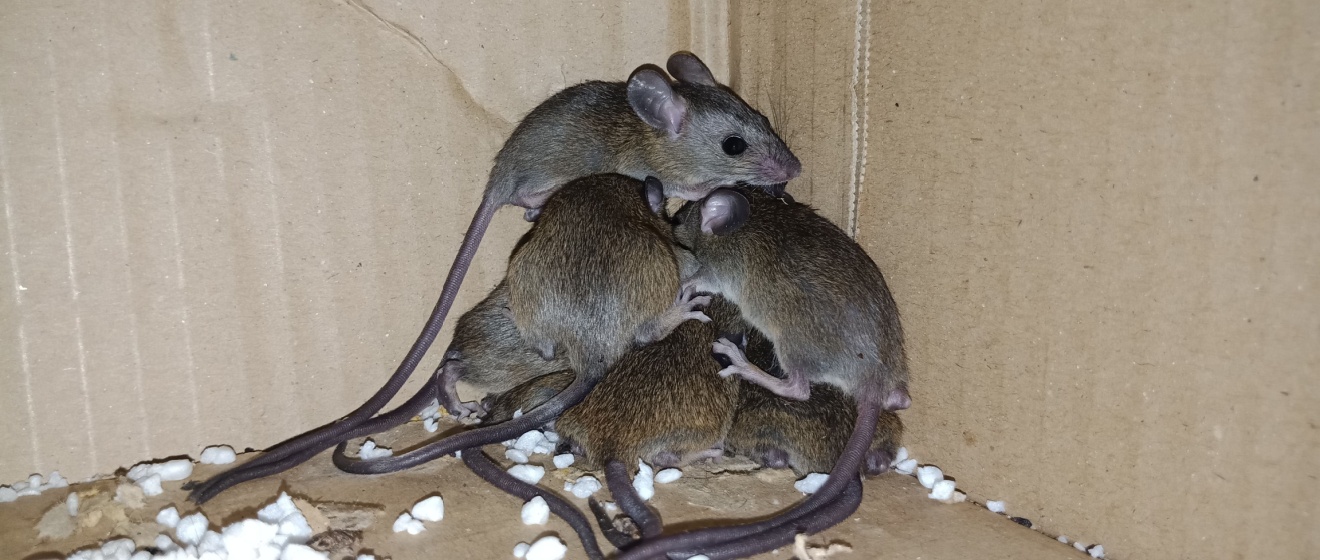
A rodent infestation rarely begins with a dramatic sighting. Instead, it starts quietly: a few droppings here, a faint scratching there. Left unchecked, these subtle clues can grow into serious damage and health risks. The solution lies in spotting the evidence early. If you suspect rodent activity, these are the most reliable signs to confirm it and guide your next steps.
1. Droppings: The First Red Flag
Droppings are often the earliest and most obvious indicator of rodent presence. Mice droppings in Show Low homes are small, dark, and pointed at the ends, while rat droppings are larger and blunt. Fresh droppings are moist and shiny, while older ones become dry and crumbly. You may find them clustered near food storage areas, under sinks, inside cabinets, or along baseboards.
The number and location of droppings often reveal how active rodents are and where they spend most of their time. Large accumulations suggest heavy infestations, while scattered droppings may indicate exploratory behavior. Homeowners should pay close attention to kitchens, pantries, and garages, as these are common hotspots for rodent activity.
2. Gnaw Marks and Damaged Materials
Rodents gnaw constantly to keep their teeth from overgrowing. Look for chew marks on wood, cardboard, plastic, or even electrical wiring. Fresh gnaw marks appear lighter in color, while older ones darken over time. In homes, gnawed food packaging, furniture edges, or insulation are common targets.
Electrical damage is especially concerning, as rodents often chew wires hidden behind walls or in attics, leaving behind frayed or exposed sections. This type of damage can lead to short circuits or even fires. Inspecting storage areas and utility spaces regularly can help catch these signs before they escalate.
3. Scratching Noises in Walls and Ceilings
Rodents are nocturnal, so scratching noises in walls, ceilings, or attics often occur at night. These sounds may come from rodents moving between hiding spots, building nests, or chewing materials. In quiet rooms, you might hear faint scurrying or squeaking.
The noises often repeat in the same areas, suggesting established pathways inside your home’s framework. Over time, these sounds can grow louder as the infestation expands. Listening carefully during nighttime hours can help pinpoint where rodents are most active.
4. Nesting Signs and Strange Materials
Rodents build nests from shredded paper, insulation, fabric, or plant matter. These nests are often tucked away in hidden places such as attics, behind appliances, or inside storage boxes. They may contain droppings and food scraps and emit a musky odor.
A single nest can house multiple rodents, and finding one usually means the infestation has been present for some time. Nests are often located near food sources or in warm, sheltered areas, making them difficult to detect without thorough inspection.
5. Footprints and Tracking Marks
In dusty or less‑used areas like basements, attics, or garages, rodents leave tiny footprints and tail marks. These tracks often appear near food sources or along walls where rodents travel. If you suspect activity, sprinkling flour or talcum powder on the floor overnight can reveal fresh tracks by morning.
The size and pattern of the prints can even help distinguish between mice and rats. Mice leave smaller, more delicate tracks, while rats create larger, heavier impressions. Tracking marks provide valuable clues about the scale of the infestation and the routes rodents use.
6. Chewed Food and Pantry Intrusions
Rodents often raid pantries, leaving gnawed cereal boxes, torn rice bags, or holes in pet food containers. They may contaminate food with droppings or urine, making it unsafe to eat. Chewed packaging is usually found near corners or edges where rodents can easily access contents.
In homes with pets, food bowls left out overnight are another common target. Rodents are opportunistic feeders, and once they discover a reliable food source, they will return repeatedly. This behavior can quickly escalate into a full infestation if not addressed.
7. Strong, Persistent Odors
Rodent urine and droppings create a musky, ammonia‑like smell that lingers in enclosed spaces. The odor is strongest near nests or areas of heavy activity, such as attics, crawl spaces, or behind cabinets.
Over time, the smell can permeate fabrics, insulation, and even HVAC systems, making it difficult to ignore. Persistent odors often indicate that rodents have been present for weeks or longer, and they can serve as a reliable sign of an established infestation.
8. Outdoor Clues Near Foundations
Burrows, gnawed siding, or disturbed soil around your home’s foundation can signal rats nesting outdoors before moving inside. You may also notice grease marks or droppings near entry points such as vents, gaps in siding, or cracks in the foundation.
Rodents often use the same paths repeatedly, leaving behind worn trails in grass or dirt. These exterior signs are easy to miss but provide important insight into how rodents are approaching your property. Addressing outdoor activity is essential to prevent indoor infestations.
What These Signs Mean for Your Home
Each clue you notice—whether it’s droppings, gnaw marks, or scratching noises—is more than just a nuisance. These signs reveal how rodents interact with your home and highlight the risks they bring with them. Rodents are carriers of bacteria and allergens, and their constant chewing can damage insulation, wiring, and stored belongings. What looks like a small mess in the pantry or a faint odor in the attic often points to a larger problem developing out of sight.
In Show Low, the stakes are even higher because of the region’s mix of wooded areas and residential neighborhoods. Rodents move easily between outdoor habitats and indoor spaces, meaning infestations can spread quickly if ignored. By connecting the dots between these signs, homeowners gain a clearer picture of the infestation’s scale and urgency—and can take action before health hazards or property damage escalate.
Quick Pest Detection Tips
While most rodent clues appear in everyday spaces, some are easier to miss. Paying attention to subtle details can help you confirm suspicions before the problem escalates. Here are practical detection tips for Show Low homeowners:
- Grease trails along walls: Rodents often travel the same paths repeatedly, brushing their fur against walls and surfaces. Over time, this leaves behind faint, dark smudges or greasy streaks. These marks are most noticeable near baseboards, corners, or narrow passageways where rodents squeeze through.
- Chewed food packaging: Boxes, bags, and containers with small holes or ragged edges are a clear sign of rodent intrusion. Mice and rats gnaw through packaging to reach food, often leaving behind crumbs or torn fragments. Inspect pantries and storage areas closely, as even minor damage can indicate ongoing activity.
- Unusual pet behavior: Dogs and cats often detect rodents before humans do. If your pet suddenly fixates on a wall, cabinet, or attic space, it may be reacting to sounds or scents of hidden rodents. Persistent alertness or scratching at specific areas can be an early warning worth investigating.
- Strong ammonia‑like odor: Rodent urine produces a pungent, ammonia‑like smell that intensifies in enclosed spaces. The odor is strongest near nests, droppings, or areas of heavy traffic. If you notice this smell in attics, crawl spaces, or behind appliances, it often signals a well‑established infestation.
- Burrows outside the home: Rats in particular dig burrows near foundations, sheds, or landscaping features. These tunnels may appear as small holes in soil or disturbed patches of grass. Outdoor burrows often serve as staging areas before rodents move indoors, making them important to address quickly.
- Shredded materials in odd places: Rodents collect paper, fabric, insulation, and plant matter to build nests. Finding shredded materials in storage boxes, behind furniture, or tucked into corners is a strong indicator of nesting activity. These piles are often accompanied by droppings or a musky odor, confirming rodent presence.
Observing these signs individually may seem minor, but each one adds valuable context about rodent activity. By recognizing them early, homeowners can confirm suspicions and act before infestations escalate into larger problems.
Creating a Safer, Rodent‑Resistant Future for Your Home
Every rodent clue you spot—a chewed package, a musky odor, or faint scratching in the walls—is part of a larger pattern. Together, they reveal that rodents are not just passing through but actively living in your home. Left unchecked, these small disruptions can lead to costly repairs and health concerns.
The good news is that homeowners aren’t powerless. By recognizing these signs early and responding quickly, you can stop infestations before they spread. Preventive steps like sealing cracks, organizing storage, and monitoring outdoor burrows help, but when rodents are already inside, professional solutions provide lasting relief.
For Show Low homeowners, having experts who understand the local environment makes all the difference. Adventure Pest & Wildlife offers rodent control designed for our region’s unique challenges, combining safe removal with prevention strategies. If your household shows early warnings of rodent presence, contact Adventure Pest & Wildlife today for a clear plan to reduce risks, restore safety, and strengthen your home’s defenses against infestations.